
How We Did It
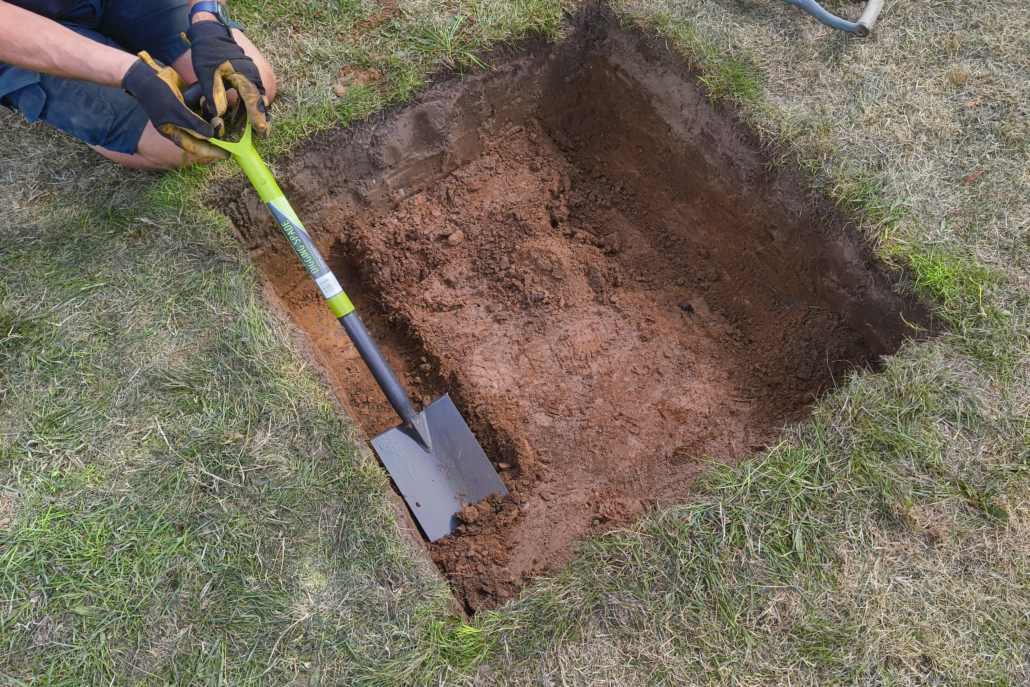
Every pit was excavated following precise archaeological standards to ensure all evidence was recorded contextually and safely.
-
Standardised Units: Each team opened a single 1-metre square test pit, carefully removing topsoil and subsoil in controlled 10cm spits or distinct natural contexts.
-
100% Soil Sieving: All excavated spoil was systematically sieved through wire mesh to ensure even tiny pottery sherds, animal bone fragments, and metal artifacts were recovered.
-
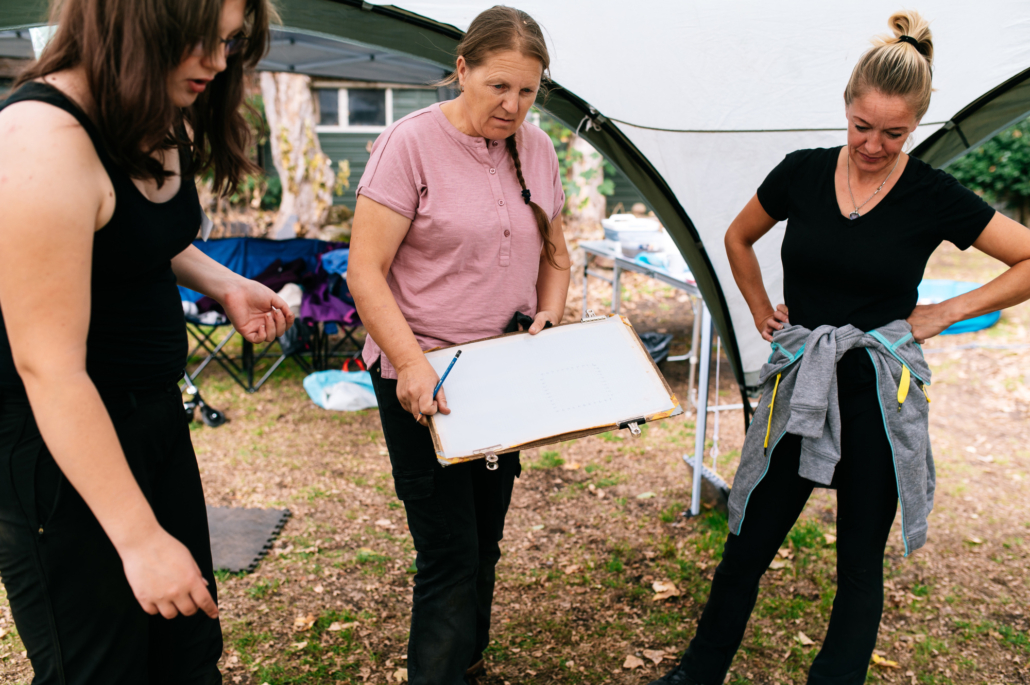
Recording & Stratigraphy: Volunteers recorded soil changes, depths, and feature boundaries on standardized context sheets, accompanied by scale photography and section drawing.
-
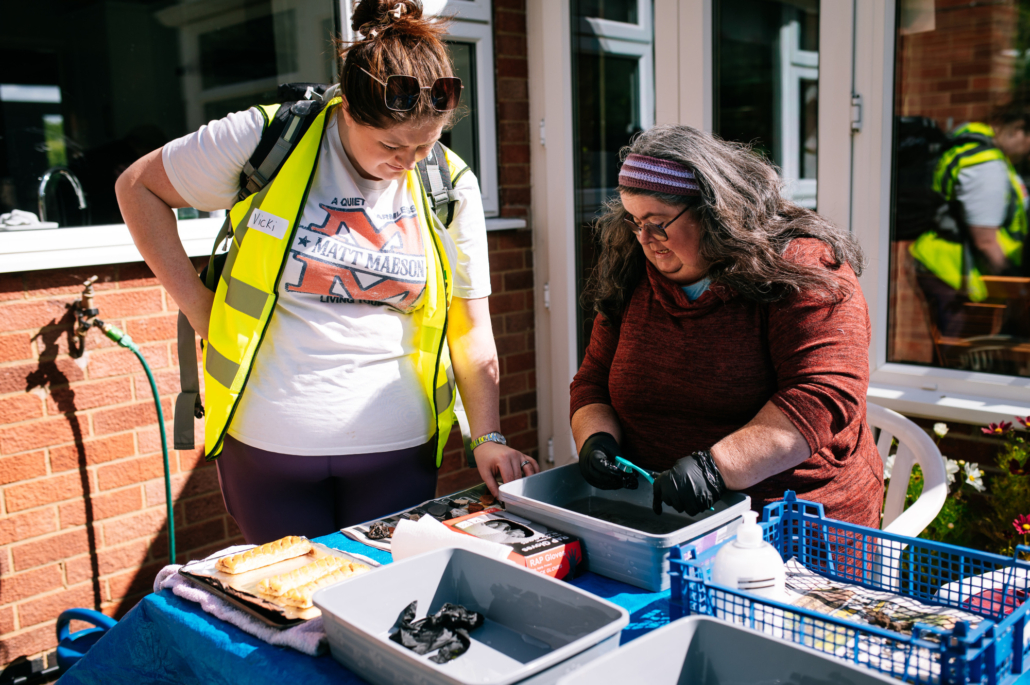
Finds Processing: Material was cleaned, dried, bagged by context, and prepared for our collective Finds Assessment Day to be catalogued and dated.

Test Pit Locations
Use the interactive map below to explore the twelve test pit sites across the village. Click on any pit marker to view its context, summary of excavated layers, and notable discoveries from the weekend.

Interested in participating in future digs?
The 2026 excavation was a tremendous success, and plans are already underway for our next major community dig. Keep an eye on our news section or sign up for updates to join us on the next pit!